
If you’re planning to ship a full container load (FCL) from China to the U.S., you already know the stakes are high. FCL shipping is efficient and cost-effective — but if timing, documents, or coordination slip, delays can stack up fast.
And unlike courier or small parcel mistakes, FCL delays cost real money — storage fees, chassis rentals, extra trucking, rescheduling, and sometimes lost sales.
This guide breaks down how FCL shipping really works, why delays happen, and how to avoid the mistakes that cost importers time and money — whether this is your first shipment or your five hundredth.
FCL shipping means booking an entire container for your goods. It reduces handling risk and can lower costs per unit. To avoid delays, confirm cut-off dates, prepare documents early, file ISF before vessel departure, and pre-book trucking and clearance before the container arrives in the U.S.
Now let’s go deeper — with real importer examples of what causes delays (and how to prevent them).
What Full Container Load (FCL) Shipping Means
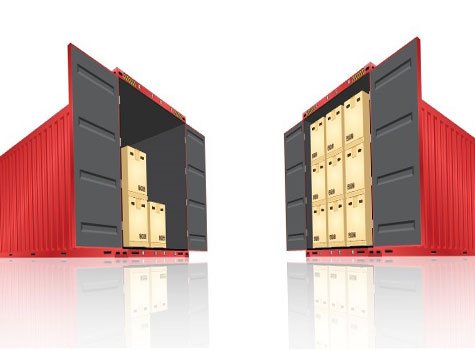
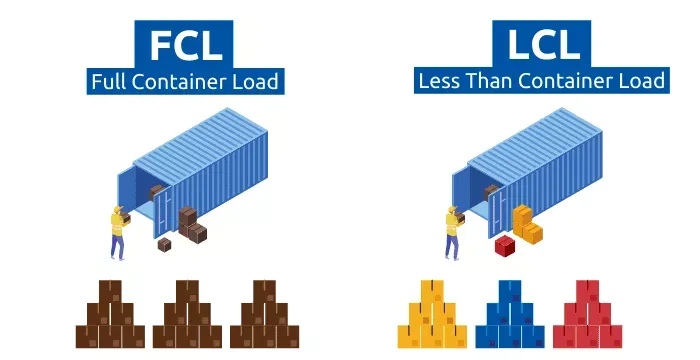
FCL shipping means you reserve the entire container, even if it’s not completely full. Your cargo is loaded, sealed, and shipped directly — not mixed with other importers’ shipments.
This keeps handling low and reliability high.
FCL vs LCL (The Practical Difference)
| Factor | FCL | LCL |
|---|---|---|
| Container use | You get the whole container | Cargo mixed with others |
| Risk of damage | Lower | Higher (more handling) |
| Transit consistency | More reliable | Can be slower / variable |
| Best for | Medium to large shipments | Small shipments < 12 CBM |
Importer Tip:
Once your shipment is 12–15 CBM or more, FCL usually becomes cheaper than LCL.
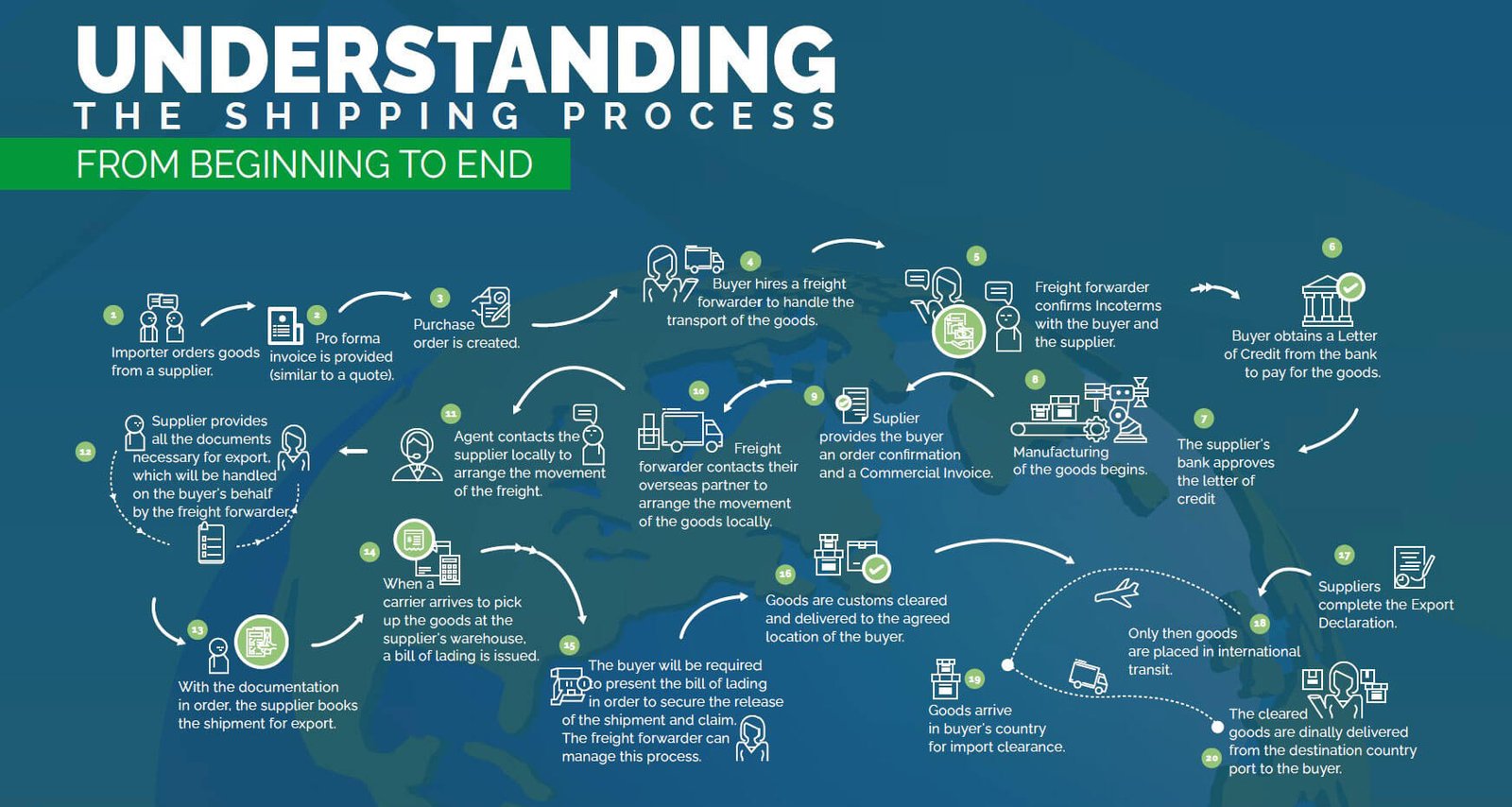
How the FCL Shipping Process Works (Step-by-Step)
- Book container space with carrier / forwarder
- Factory confirms cargo ready
- Truck picks up empty container
- Container is loaded & sealed
- Export customs clearance
- Vessel sails
- ISF/AMS & U.S. customs clearance
- Container is released at U.S. port
- Trucking to your warehouse
- Empty container returned to depot
Insert visual: FCL Shipping Process Flow
(fcl_process_visual.png)
Reference (CBP)
Real Importer Example #1 — The Vessel Missed by 6 Hours
A California importer booked FCL but didn’t confirm the CY cut-off time (deadline to get the container into port).
The truck arrived 6 hours late.
Result:
- Container missed the vessel
- Shipment delayed 7 days
- Extra fees: $850 trucking wait + $1,200 warehouse re-handling
Lesson:
Always confirm:
- CY Cut-off
- SI Cut-off
- VGM Cut-off
Before booking final loading.
Why FCL Shipments Get Delayed
1) Documentation Errors
Incorrect invoices, packing lists, HS codes, or consignee details cause automatic clearance delays.
Reference:
CBP Importer Requirements
2) Port Congestion
High season = vessel wait times + unloading delays.
Reference:
FMC Port Performance Data
3) U.S. Customs Exams
| Exam Type | Cost | Delay |
|---|---|---|
| X-Ray / VACIS | $75–$350 | 1–3 days |
| Tailgate Exam | $100–$400 | 2–5 days |
| Intensive Exam | $1,000–$3,000+ | 5–21 days |
Clean documentation reduces exam likelihood.
4) Trucking & Chassis Issues
This is where even experienced importers get caught.
If trucking is arranged after arrival → you risk:
- Chassis shortages
- No delivery appointment availability
- Warehouse off-load delays
- Demurrage charges
Real Importer Example #2 — The Chassis Shortage
A Seattle importer waited until the container arrived to book trucking.
No chassis available for 6 days.
Demurrage: $210/day × 6 = $1,260
Chassis rental premium: $85/day × 5 = $425
Total unnecessary cost: $1,685
Lesson:
Pre-book trucking at least 5–7 days before arrival.
Container Size Comparison
| Container Type | Capacity | Best Use Case |
|---|---|---|
| 20GP | ~33 CBM | Dense, heavy goods |
| 40GP | ~67 CBM | Standard shipments |
| 40HQ | ~76 CBM | Bulky or lightweight cargo |
Insert visual: Container Size Comparison
(container_comparison.png)
Where FCL Delays Actually Happen
Insert visual: Delay Points Visual
(fcl_delay_points_visual.png)
Breakdown:
- Pre-export: Document mistakes
- Transit: Port congestion or vessel rollovers
- U.S. Entry: Customs holds or exams
- Last Mile: Chassis/trucking scheduling failure
How to Avoid Delays in FCL Shipping
- File ISF before vessel departure
- Confirm cut-off dates and loading plan early
- Ensure documents match exactly (names, values, HS codes)
- Pre-book trucking & chassis ahead of arrival
- Track container release status daily
FCL Booking Checklist (Copy/Paste)
✅ Confirm container type (20GP / 40GP / 40HQ)
✅ Request CY, SI, and VGM cut-off times
✅ Prepare commercial invoice & packing list early
✅ File ISF 72 hours before vessel departure
✅ Pre-book trucking and warehouse unload
✅ Monitor container release to avoid demurrage
Conclusion
Most FCL delays are avoidable with early coordination and document accuracy.
If you get the fundamentals right — cut-off timing, customs filings, and trucking prep — FCL shipping becomes faster, smoother, and far less stressful.
If you want, I can review your next shipment plan and flag delay risks in advance — no pressure, just practical help. We can help to quote DDP price within 4 hours.