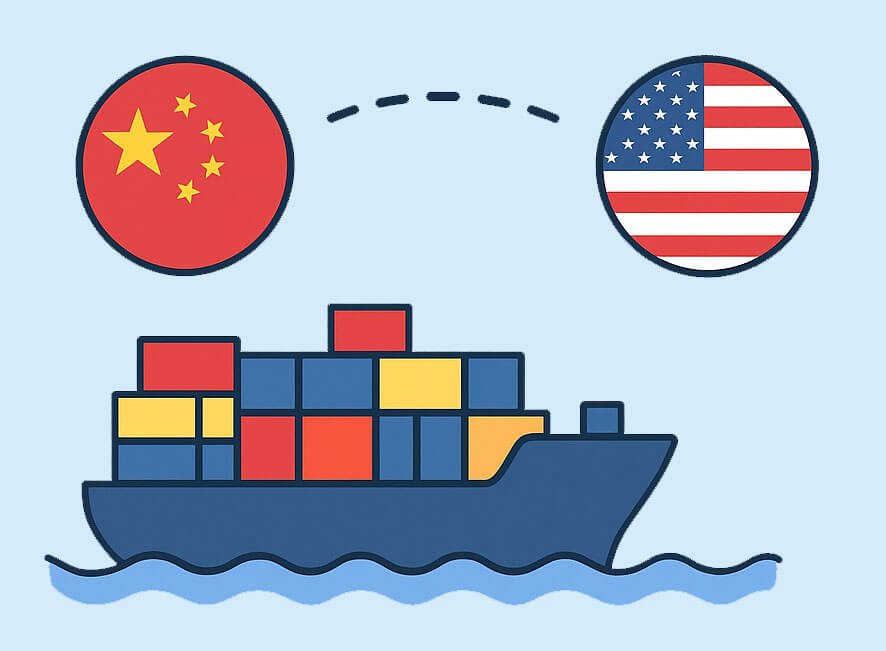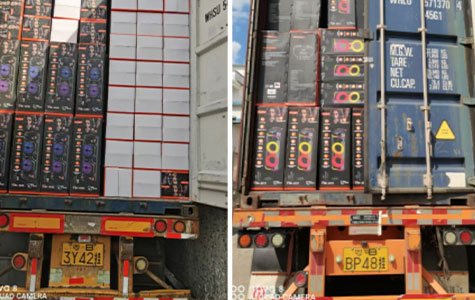

As supply chains become more global and e-commerce grows, many U.S. importers are looking for shipping solutions that simplify cost planning and reduce operational complexity. One option that has gained significant popularity is DDP (Delivered Duty Paid) shipping from China. When used correctly, DDP creates a predictable, all-in landed cost and allows importers to move freight with minimal administrative burden.
However, DDP is also one of the most misunderstood and misused shipping terms in international trade. Many importers assume that any DDP service on the market is legitimate, standardized, and compliant. In reality, DDP quality varies widely, and there is a substantial difference between a compliant DDP provider and a low-cost provider using informal or illegal customs procedures.
This article explains how DDP shipping from China works, where compliance risks occur, and how U.S. importers can protect themselves by choosing reliable and licensed partners.
1. What DDP Really Means Under Incoterms
DDP (Delivered Duty Paid) is an Incoterm where the seller (or the seller’s agent / forwarder) takes responsibility for:
- Export clearance in China
- International freight transportation
- U.S. customs clearance
- Payment of duties and taxes
- Delivery to the final destination in the U.S.
The buyer receives the shipment at a pre-agreed landed cost with no extra logistics or customs steps required.
| Cost / Responsibility | Buyer | Seller / DDP Provider |
|---|---|---|
| Export Customs (China) | ✅ | |
| International Freight | ✅ | |
| U.S. Customs Clearance | ✅ | |
| Duty & Tax Payment | ✅ | |
| Final Mile Delivery | ✅ |
This is why DDP is attractive — especially to:
- New importers
- Small to mid-sized businesses
- Amazon FBA and direct-to-consumer brands
The importer does not need:
- Customs brokerage arrangements
- A freight port service account
- A trucking network
- A warehouse receiving schedule coordinator
However — the key risk factor in DDP is how U.S. customs clearance and import responsibility are handled.
2. The Importer of Record (IOR) – The Most Critical Factor in DDP
Every shipment entering the United States must be imported by an Importer of Record (IOR). The IOR is legally responsible for:
- The accuracy of the customs declaration
- Correct HS code classification
- Correct declared value
- Payment of duties, taxes, and fees
If an importer of record is improperly designated, the shipment may be:
- Flagged for inspection
- Held under review
- Seized
- Or reassessed later with back-owed duties, penalties, and fines
Two ways DDP services are executed:
| DDP Type | Compliance Level | Risk Level | Description |
|---|---|---|---|
| Compliant DDP | ✅ Proper documentation | Low | U.S.-licensed broker files entry under buyer’s EIN or authorized IOR |
| Non-Compliant / “Shadow IOR” DDP | ❌ Improper declaration | High | Provider uses fake / borrowed importer IDs or misdeclared values |
If a forwarder is using:
- A generic importer code
- A non-existent business identity
- A third-party unknown IOR that the buyer did not authorize
Then the importer has no legal footing if customs reviews the cargo later.
This is currently one of the largest risks facing U.S. e-commerce brands.
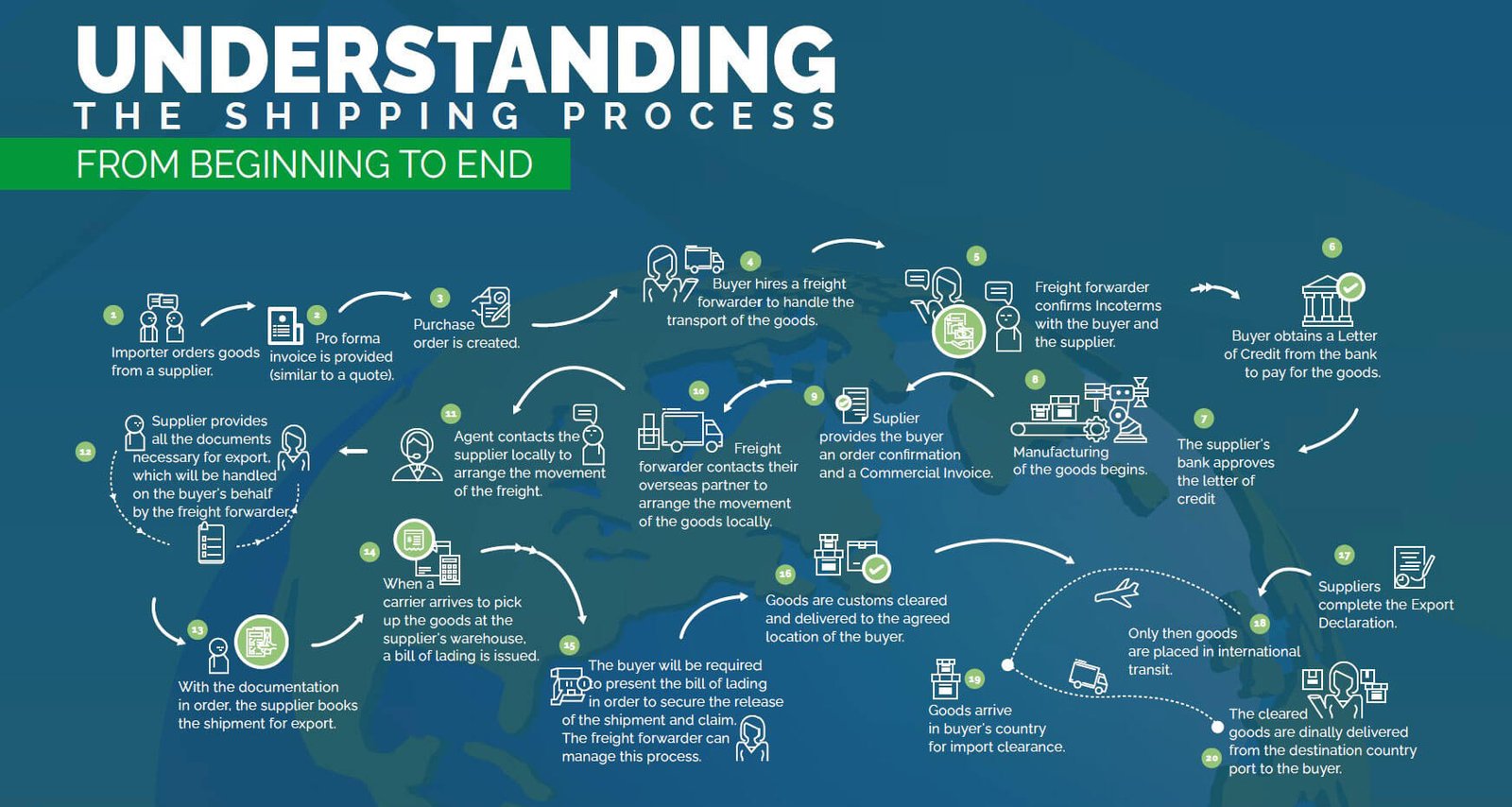
3. How Compliant DDP Shipping Works (Step-by-Step)
Below is the correct and legal DDP workflow:
- Shipment prepared and export cleared in China
- Freight shipped via air, sea, or rail
- Entry submitted to U.S. Customs by a licensed customs broker
- Duties & taxes paid transparently
- Trucking arranged to final destination
- Delivery is completed under standard receiving conditions
This ensures full visibility, traceability, and regulatory compliance.
What your company offers:
✔ China export handling
✔ International freight
✔ U.S. Customs Brokerage involvement (in-house or partner)
✔ U.S. trucking network for final delivery
This positions your DDP as legitimate and operationally stable.

4. Why Many DDP Offers on the Market Are Risky
Some low-cost DDP services do not follow U.S. customs standards.
Common high-risk practices include:
| Risky Practice | Consequence |
|---|---|
| Declaring artificially low cargo value | CBP penalty, re-tariffing, or seizure |
| Using one “shared importer ID” for many customers | Customs audit → importers contacted later |
| Clearing bulk cargo under postal / parcel channels | No claim rights if detained |
| Using non-licensed customs intermediaries | Entry rejection or compliance violation |
| No U.S. trucking capacity for final delivery | Delays → warehouse storage fees |
These issues rarely show up immediately.
The problems appear months later — often when the importer least expects it.
5. The Cost Structure of a Compliant DDP Service
Here is what a transparent DDP price should include:
| Component | Included in Compliant DDP | Why It Matters |
|---|---|---|
| Export handling in China | ✅ | Ensures legal departure |
| Freight cost | ✅ | Mode-dependent (air/sea/rail) |
| U.S. customs brokerage fee | ✅ | Required for compliant entry |
| Duty & tax calculation | ✅ | Must match declared value |
| Final-mile trucking delivery | ✅ | Avoids third-party delays |
A compliant provider does not hide or “absorb” taxes.
Taxes are calculated and paid — just without the importer needing to manage the process.
6. When DDP Is the Best Shipping Choice
DDP is particularly beneficial for:
| Scenario | Benefit |
|---|---|
| Small / medium shipments (LCL, parcel, pallet) | Simplifies cost planning |
| E-commerce + Amazon FBA shipments | Clear delivered cost per unit |
| First-time importers | Reduces administrative burden |
If you are importing:
- Apparel
- Consumer goods
- Packaging products
- Electronics accessories
- Home & lifestyle products
DDP can be efficient and cost-predictable.
7. When DDP May Not Be Ideal
For certain cargo types, other Incoterms may be more cost-effective:
| Cargo Type | Recommended Instead of DDP | Reason |
|---|---|---|
| Heavy, dense cargo | CIF + DDU / FCL with local clearance | Avoid overweight trucking costs |
| Machinery / industrial equipment | FOB + custom brokerage | HS code compliance complexity |
| Regulated goods (chemical, food, medical, RF devices) | FOB + licensed compliance entry | Special agency rules apply |
In these cases:
- You still can use your forwarder — but with a different Incoterm.
8. How to Evaluate a DDP Provider (Compliance Checklist)
Before you approve a shipment, confirm that your provider has:
| Requirement | Must Have | Why |
|---|---|---|
| Licensed U.S. customs broker (in-house or partner) | ✅ | Legal import entry |
| Ability to provide official duty/tax proof | ✅ | Transparency |
| U.S.-based trucking distribution network | ✅ | Prevent port/airport delays |
| Ability to act as or designate authorized Importer of Record | ✅ | Customs responsibility documented |
| Experience with your product category | ✅ | Avoid agency clearance issues |
If a provider cannot meet any of the above — the DDP is likely not compliant.
9. Conclusion
DDP shipping from China can be an extremely effective logistics solution for U.S. importers — but only when executed properly and transparently. The key is ensuring that the Importer of Record, customs entry, duty payment, and final delivery are handled through licensed, documented, and accountable channels.
DDP is not “better” or “worse” than DDU or FOB — it’s about fit for your logistics maturity level:
| Importer Type | Recommended Term |
|---|---|
| First-time importer or small eCommerce brand | DDP |
| Small/mid importer with some customs experience | DDU |
| High-volume or distribution-based importer | FOB |
Your company provides DDP the correct way — through:
- Controlled China export handling
- Structured international freight routing
- Licensed U.S. customs brokerage compliance
- Direct trucking networks for final delivery
This combination reduces risk, improves delivery reliability, and provides importers with a true predictable landed cost.
In a market full of unstable or non-compliant DDP offers, a compliant DDP service is not just a shipping method — it is a supply chain risk control strategy.