When it comes to international shipping, one of the most crucial decisions a business owner needs to make is how to transport their goods: Full Container Load (FCL) or Less than Container Load (LCL). These two shipping methods offer distinct advantages and drawbacks depending on your specific needs. In this comprehensive guide, we’ll break down the differences between FCL and LCL shipping, and help you determine which option is the best choice for your business.
What Are FCL and LCL Shipping?
FCL (Full Container Load) and LCL (Less than Container Load) are both methods of ocean freight shipping, but they operate differently. These terms describe how goods are transported in shipping containers.
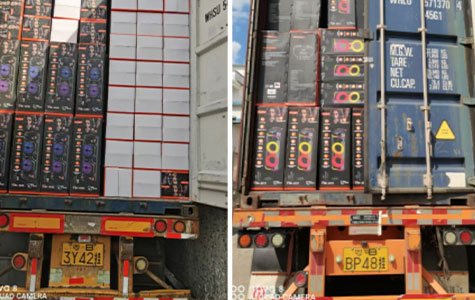
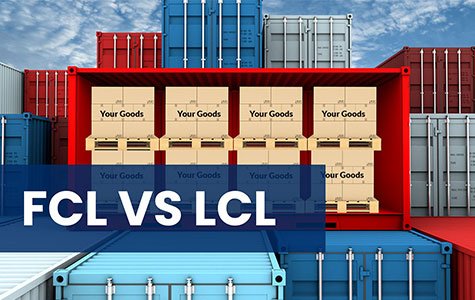
- FCL (Full Container Load) means that the goods you’re shipping take up the entire space of a shipping container. You’re the sole shipper of the container, and your cargo is not shared with other shipments.
- LCL (Less than Container Load) means your goods share container space with shipments from other companies. You pay for only the space your goods occupy in the container, making it an ideal option for smaller shipments.
Understanding these two methods is critical for deciding how to ship your goods in a way that balances cost, speed, and efficiency.
FCL Shipping Explained
What is FCL (Full Container Load)?
As the name suggests, Full Container Load (FCL) means that the entire shipping container is dedicated to one shipper’s goods. This shipping method is typically used for larger shipments, as it ensures that the shipper has full control over the container and its contents.
FCL is most commonly used when a company has enough goods to fill an entire container or if the company needs to ship goods that require specific handling or security.
Advantages of FCL
- Dedicated Container Space:
- Since you’re the sole shipper, you have exclusive use of the entire container, which means you don’t have to share space with other shipments. This can provide more flexibility in terms of loading and unloading.
- Reduced Risk of Damage:
- With FCL, your goods are not subject to the same amount of handling as LCL shipments, as the container isn’t being opened and closed multiple times during the transport process. This results in a lower risk of damage or mix-ups.
- Faster Transit Time:
- FCL shipments are typically quicker because they go directly from the origin port to the destination without the need for consolidation and deconsolidation. The shipper has more control over the schedule.
- Lower Handling Costs:
- Since your goods are the only ones in the container, you may save money on handling and administrative fees associated with LCL, such as consolidation and deconsolidation costs.
Disadvantages of FCL
- Higher Initial Cost:
- FCL typically requires a larger upfront investment since you’re paying for the entire container. This might not make sense for smaller shipments.
- Underutilization of Space:
- If your shipment doesn’t fill the entire container, you may end up paying for unused space, which can be an inefficient use of resources.
- Requires Larger Shipments:
- FCL is most suitable for businesses with enough goods to fill a container. If you’re only shipping a small amount of goods, FCL might not be cost-effective.
When Should You Choose FCL?
FCL is best for:
- Large Shipments: If you have enough goods to fill an entire shipping container, FCL is the way to go.
- Time-sensitive Shipments: Since FCL containers are shipped directly, they tend to reach their destination faster, which is crucial for urgent shipments.
- Frequent Shipping Needs: If your business regularly ships large quantities of goods, FCL offers consistency and better control over the shipping process.
FCL vs LCL shipping: How to choose the right one.
LCL Shipping Explained
What is LCL (Less than Container Load)? LCL vs FCL: differences and which one to choose
Less than Container Load (LCL) is a shipping method where your goods share a container with goods from other shippers. The cargo is consolidated with other shipments at the origin port and deconsolidated at the destination port. You only pay for the space your goods occupy in the container, making LCL a more affordable choice for smaller shipments.
Advantages of LCL
- Cost-Effective for Smaller Shipments:
- LCL is ideal for businesses that do not have enough goods to fill a full container. Since you’re sharing the container space with others, you only pay for the portion that your goods take up, making it a more affordable option for small shipments.
- Flexible Shipping Options:
- LCL allows businesses to ship goods that are not large enough to justify an FCL shipment. It provides flexibility for small and medium-sized businesses to transport goods without committing to the larger cost of FCL.
- Suitable for Irregular Shipments:
- If your shipment consists of small, irregularly sized items that don’t fill a full container, LCL offers a practical and affordable solution.
Disadvantages of LCL
- Slower Transit Times:
- LCL shipments often take longer to reach their destination since the goods need to be consolidated at the origin port and deconsolidated at the destination. This adds additional handling and potential delays in the shipping process.
- Increased Risk of Damage:
- Because your goods share the container with others, there is an increased chance of damage due to multiple handling and other shipments possibly shifting in transit.
- Extra Handling and Fees:
- LCL shipments require more handling, which may increase the risk of loss, damage, or delays. There are also additional fees for the consolidation and deconsolidation processes.
When Should You Choose LCL?
LCL is best for:
- Smaller Shipments: If you’re only shipping a few pallets or less than a container’s worth of goods, LCL allows you to pay only for the space you use.
- Infrequent Shipping: For businesses that ship smaller amounts of goods occasionally, LCL allows them to avoid paying for a full container.
- Irregular Shipments: LCL is ideal for businesses with irregular shipments that may not need the entire space of a full container.
FCL vs. LCL: A Detailed Comparison
Cost Comparison
FCL:
- For large shipments, FCL is usually more cost-effective because the cost per unit decreases as the volume increases. However, the initial cost may be significantly higher.
LCL:
- LCL is cheaper for small shipments, but you may end up paying higher per-unit costs due to the shared space and the extra handling involved. It can also be more expensive when you factor in additional fees for the consolidation and deconsolidation processes.
Shipping Speed
FCL:
- FCL shipments are faster since the container is shipped directly without the need for consolidation and deconsolidation. Once the goods are loaded, the container heads straight to the destination.
LCL:
- LCL tends to be slower due to the multiple steps involved in consolidating and deconsolidating the goods. Depending on the destination and the number of other shipments sharing the container, LCL can be delayed.
Risk and Security
FCL:
- FCL offers better security because your goods are the only ones in the container. There’s less handling, so the chances of damage or mix-ups are minimized.
LCL:
- With LCL, there’s a higher risk of damage because your goods are mixed with other shipments. The handling of goods in LCL is higher, and the chances of damage or delays are greater due to multiple points of contact.
Cargo Size and Volume Considerations
FCL:
- Best for large, consistent shipments. It’s also ideal for high-value goods that require extra care during transport.
LCL:
- Best for small, irregular, or less frequent shipments. It’s perfect for businesses that only need to ship a few pallets or don’t have enough goods to fill an entire container.
How to Choose Between FCL and LCL
When deciding between FCL and LCL, consider the following factors:
- Shipment Size: If you have enough goods to fill an entire container, FCL is the better choice. If your shipment is small, LCL is more cost-effective.
- Budget: FCL requires a higher upfront investment, but it may be more economical in the long run for larger shipments. LCL is cheaper for small loads but can be costlier on a per-unit basis.
- Time Sensitivity: FCL is faster since it bypasses consolidation. If time is of the essence, FCL might be the better option.
- Risk Tolerance: If your goods are fragile or high-value, FCL offers better protection. If your items are less sensitive, LCL may be fine.
Conclusion
Choosing between FCL and LCL shipping depends largely on your shipment size, budget, and time constraints. FCL is a great option for businesses with large, consistent shipments and those that prioritize speed and security. On the other hand, LCL is a cost-effective solution for businesses with smaller or less frequent shipments.
To make the best decision for your business, consider your shipping volume, delivery timelines, and cost constraints. In either case, working with a reliable freight forwarder or logistics partner will help you navigate the complexities of international shipping.