
Choosing between FCL (Full Container Load) and LCL (Less-than-Container Load) is one of the most important decisions U.S. importers make when shipping from China. The choice affects your landed cost, delivery schedule, cash flow, and overall supply chain reliability. Yet, many businesses rely on a simple rule of thumb — “If I don’t have enough cargo to fill a container, I ship LCL” — and this can result in higher total costs, delays, and unexpected fees later.
In this guide, we’ll break down what U.S. importers really need to know about FCL vs. LCL shipping — without jargon, without theory, and focused entirely on real business impact. We’ll also show three common pain points importers face and how the right logistics setup can eliminate them, especially when your shipping partner is also a licensed U.S. customs broker.
1. Understanding the Basics: FCL vs. LCL
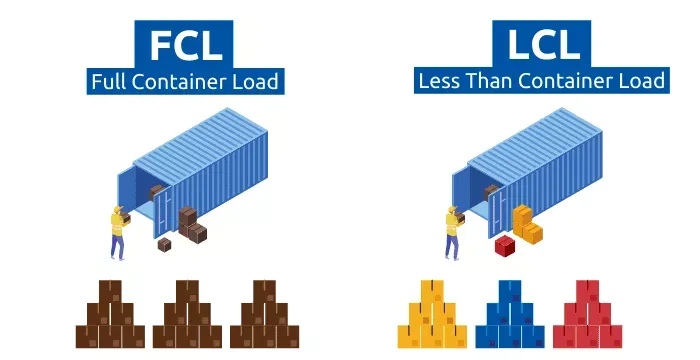
What is FCL? (Full Container Load)
You book an entire container (20’ or 40’).
Your cargo is loaded and sealed at origin and stays sealed until it reaches its final destination.
Best for:
- Larger shipment volumes
- High-value or fragile products
- Companies seeking faster door-to-door delivery
Benefits:
- Lower risk of damage (less handling)
- Faster transit times
- More predictable delivery windows
What is LCL? (Less-than-Container Load)
Your cargo shares space inside a container with goods from other businesses. A consolidation warehouse combines shipments before loading — and at destination, cargo is separated again.
Best for:
- Smaller shipment volumes
- Testing new products
- Frequent small-batch restocking
Benefits:
- Lower upfront cost
- Flexibility in ordering and stocking
- Good for early-stage importers
To compare definitions and handling steps, see Freightos’ guide:
https://www.freightos.com/freight-resources/fcl-vs-lcl
2. The Hidden Cost Factor That Most Importers Miss
On paper, LCL often looks cheaper because you’re only paying for the space you use.
But here’s the reality:
| Cost Factor | FCL | LCL |
|---|---|---|
| Ocean Freight | Higher upfront | Lower upfront |
| Local Handling Fees | Lower | Higher |
| Transit Time | Faster | Slower |
| Risk of Delay | Lower | Higher |
| Damage Risk | Lower | Higher |
Why LCL can end up more expensive overall:
LCL shipments go through consolidation and deconsolidation warehouses, which means extra handling and additional local fees such as:
- CFS warehouse fees
- Documentation and handling charges
- Palletization/depalletization fees
- Longer customs clearance timelines
If your shipment is above 18–22 CBM, FCL almost always becomes cheaper and more reliable, even if the container is not full.
3. Pain Point #1: Unpredictable Landed Cost
Many U.S. importers say:
“My forwarder gave me a low ocean rate—but the final destination charges were way higher than expected.”
This usually happens with LCL because the billing structure involves:
- CFS handling fees
- Storage fees if the warehouse gets crowded
- Extra paperwork and processing charges
How to fix it:
Ask for door-to-door total cost, including:
- Origin fees
- Destination fees
- Local drayage
- Customs clearance
- Taxes and duties
Avoid quotes that only show ocean freight — that’s where surprises happen.
4. Pain Point #2: Customs Delays and Storage Penalties
Whether you ship FCL or LCL, your shipment must clear U.S. Customs. The most common delays come from:
- Incorrect or incomplete commercial invoices
- Wrong HS codes
- Missing ISF (Importer Security Filing) data
- Poor supplier communication
U.S. Customs explains importer responsibilities here:
https://www.cbp.gov/border-security/ports-entry/cargo-security/importer-security-filing
When customs delays occur, storage fees rack up quickly, especially at U.S. ports.
This is where the BIG DIFFERENCE comes in:
If your freight forwarder is also a U.S. customs broker
→ Your shipment can be pre-cleared before arrival.
→ Customs holds are minimized.
→ Free time is protected (no demurrage or detention fees).
CBP on licensed brokers:
https://www.cbp.gov/trade/programs-administration/customs-brokers
If your forwarder is not a customs broker, there are more handoffs, slower information flow, and a much higher chance of costly clearance delays.
5. Pain Point #3: Lack of Visibility and Communication
Importers often don’t know:
- Where the container is in the journey
- Whether customs documents were filed correctly
- When free time starts and ends
- When the container must be picked up to avoid daily fees
This is especially challenging with LCL, because your shipment interacts with more touchpoints:
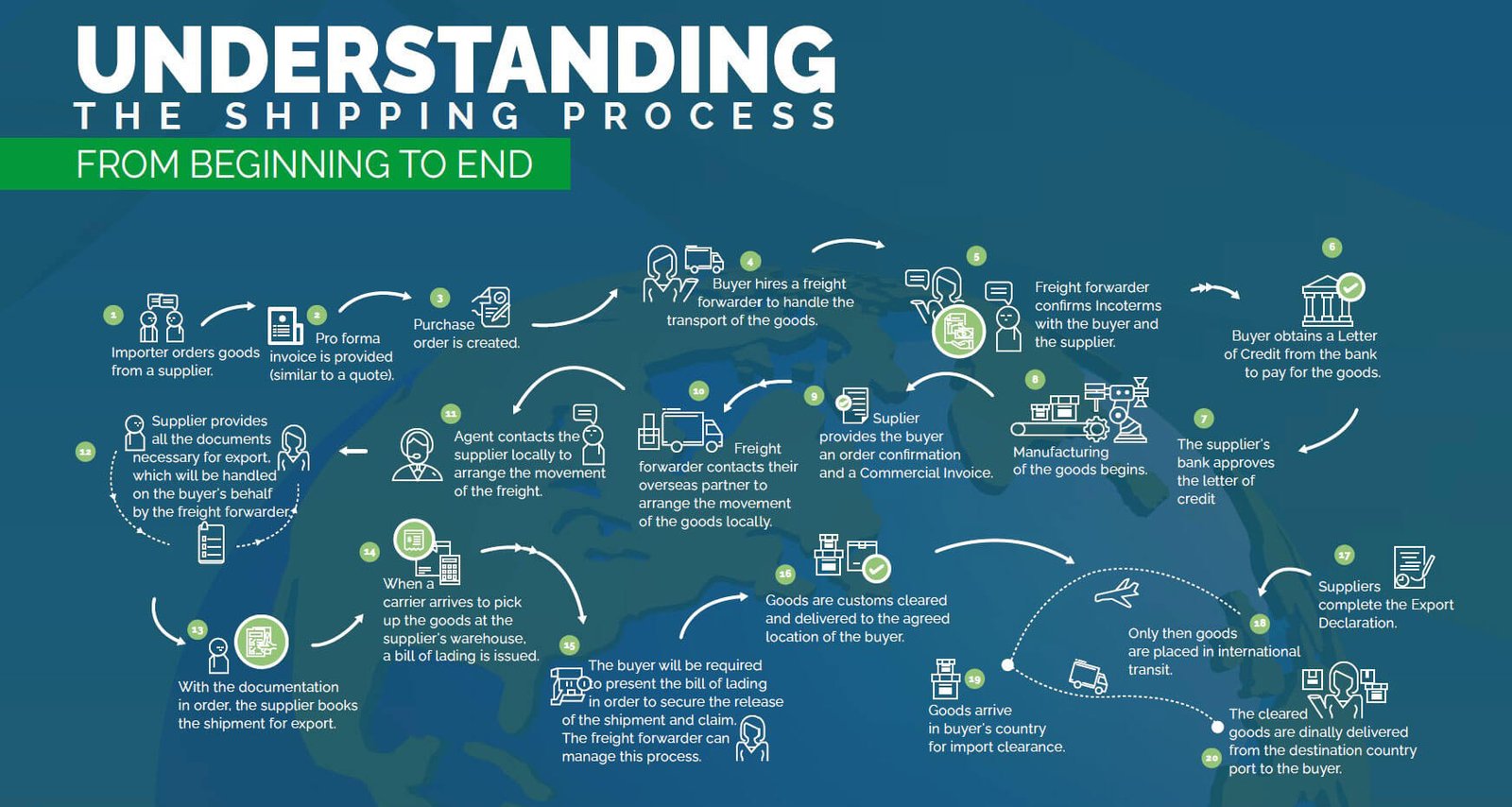
Supplier → Consolidation Warehouse → Container → Port → Deconsolidation Warehouse → Truck → Final Delivery
More moving pieces = more chances for miscommunication.
This makes working with a single partner who handles both freight and customs the simplest, fastest, and most cost-effective approach.
6. Transit Time Comparison: Realistic Expectations
| Process | FCL Transit Time | LCL Transit Time |
|---|---|---|
| Loading | Faster (direct loading) | Slower (waiting for consolidation) |
| On Vessel | Same | Same |
| Arrival Processing | Faster | Slower (deconsolidation queue) |
| Customs Risk | Lower (one shipment) | Higher (container is shared) |
LCL may add 5–12 extra days to your timeline.
If your business has retail deadlines, e-commerce launch dates, or tight turnarounds, FCL is almost always the right choice.
7. How the Right Partner Cuts Importing Costs by 20–50%
When your shipping provider is also a licensed U.S. customs broker, you benefit from:
| Advantage | Business Benefit |
|---|---|
| Pre-clearance before vessel arrival | No port delays |
| Correct HS code classification | Lower duty costs |
| Proper document checks | Fewer customs exams |
| Real-time release tracking | No surprise storage fees |
| One communication channel | No time wasted coordinating parties |
This can reduce total landed cost and importing risks significantly — especially for repeat or large-volume importers.
8. When to Choose FCL vs. LCL (Simple Decision Guide)
Choose FCL if:
✅ Shipment is 18+ CBM
✅ Timelines are tight
✅ Goods are fragile or high-value
✅ You want predictable costs and delivery
Choose LCL if:
✅ Shipment is small
✅ You want to test a new product
✅ You restock frequently in small batches
✅ You can allow buffer time for consolidation
Hybrid Strategy:
Many growing importers use monthly FCL + weekly LCL replenishment to balance inventory and cash flow.
9. What Makes Our One-Stop Shipping Service Different
We provide end-to-end logistics from China to the U.S., including:
- Factory pickup & consolidation
- FCL and LCL ocean freight
- U.S. customs clearance handled in-house
- Destination port coordination
- Final delivery to warehouse, FBA center, or your customer
Because we are a registered U.S. customs brokerage, we:
- Pre-clear your cargo before arrival
- Prevent customs exams and unnecessary delays
- Cut down import cost by up to 50%
- Protect you from demurrage/detention charges
In short — your shipping never gets stuck.
10. Final Takeaway
The difference between FCL and LCL is not just container size — it’s cost predictability, delivery speed, and risk control.
If your logistics partner also handles customs clearance, you eliminate the most common causes of delays and unexpected fees.
This is how U.S. importers gain:
- Lower landed cost
- Faster supply chain
- Zero stress shipping