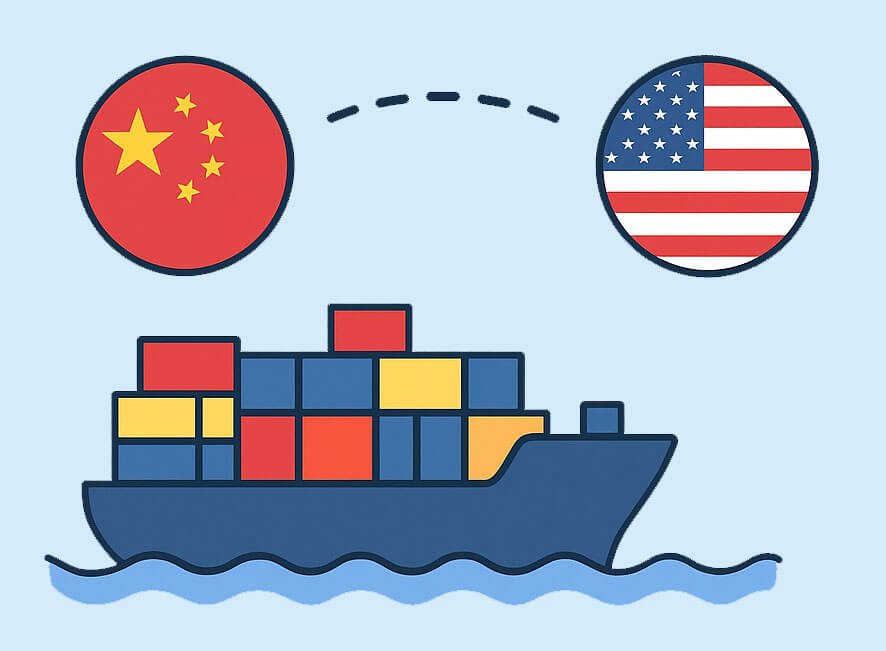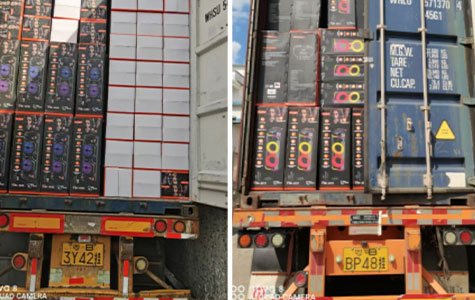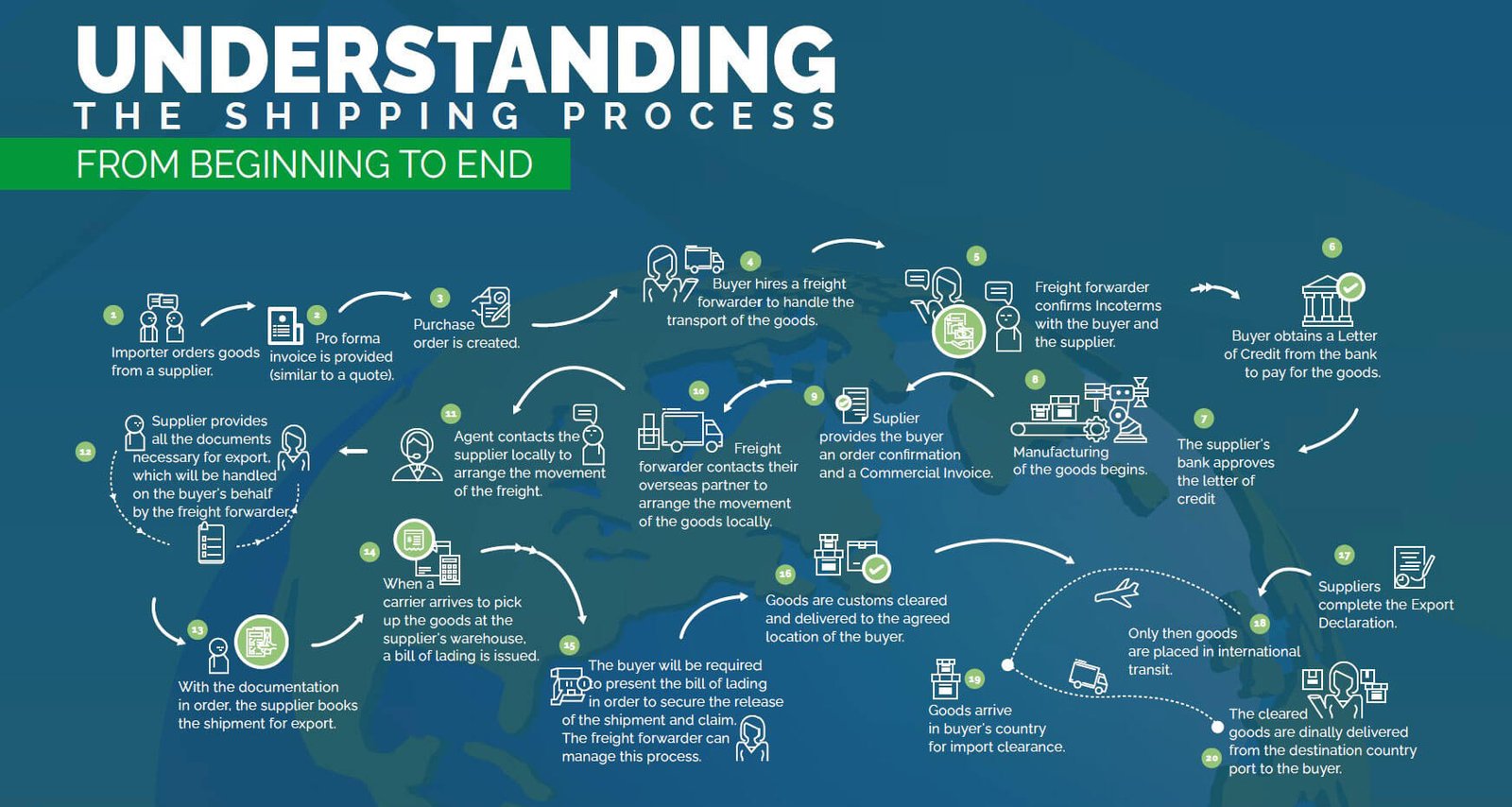

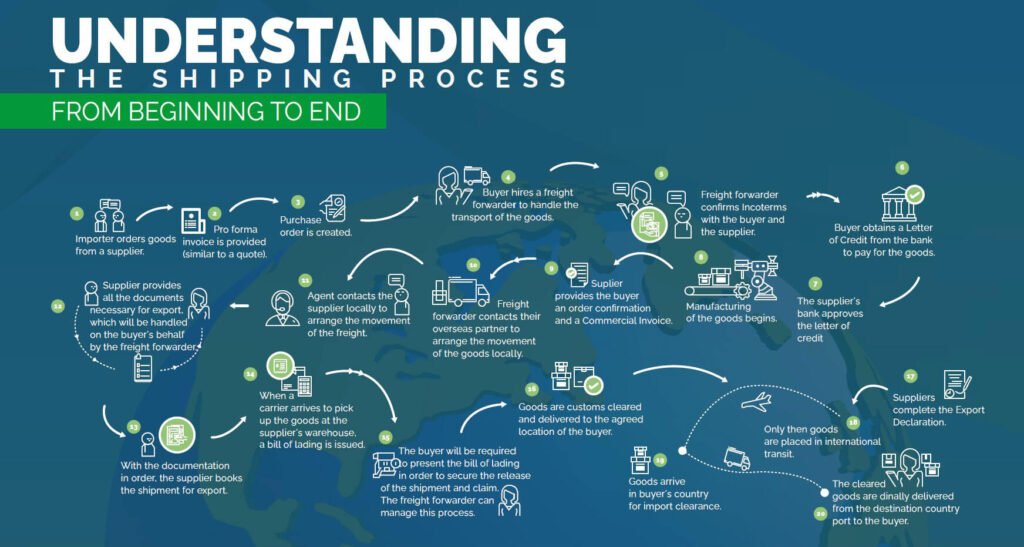
Importing goods from China to the United States is a common practice for many businesses. China is often called the “world’s factory,” supplying a wide range of products from electronics to textiles. However, navigating the process of importing goods from China and clearing U.S. Customs can be complex and requires a good understanding of the regulations and procedures involved.
In this blog, we’ll walk through what importers must consider when bringing goods from China into the U.S., as well as how to ensure smooth U.S. Customs clearance.
1. Understand U.S. Import Regulations
The first step in the import process is understanding the various U.S. regulations that govern the import of goods. U.S. Customs and Border Protection (CBP) regulates the entry of goods into the United States. Importers must ensure they are complying with all applicable laws, including:
- Tariff Classification: The Harmonized Tariff Schedule (HTS) assigns each product a code that determines the tariff rate. Importers need to classify their products correctly to avoid misclassification, which can lead to fines or delays. Check out the Harmonized Tariff Schedule for guidance.
- Customs Bond: A customs bond is required for most imports. This bond ensures that you will pay any duties, taxes, or fines if your shipment is selected for inspection. Learn more about customs bonds from CBP’s guide.
- Product Compliance: Many products imported from China must meet specific U.S. safety standards, such as the Food and Drug Administration (FDA) regulations for food and medical products, or the Consumer Product Safety Commission (CPSC) for children’s toys and electronics. Make sure your products meet these compliance requirements.
2. Calculate and Pay Duties & Taxes
One of the most significant costs involved in importing goods from China is customs duties and taxes. The U.S. imposes tariffs on many imports, which are calculated based on the product’s value, its classification under the HTS code, and its country of origin.
- Tariffs and Duties: The tariffs applied to goods from China can vary significantly, depending on the product. For instance, electronics, textiles, and machinery may face different rates of duty. The Trump administration’s tariffs under Section 301 affected many Chinese goods, so importers should verify if their products are subject to any special tariffs. You can check the U.S. Tariff Schedule to see which duties apply.
- Additional Taxes: Some goods may also be subject to excise taxes or other fees depending on the type of product (e.g., alcohol or tobacco).
- Using a Customs Broker: To navigate these tariffs and duties, many importers hire a customs broker to assist with paperwork, calculations, and ensuring compliance with regulations. You can learn more about finding a reliable customs broker at CBP’s Customs Broker page.
3. Properly Prepare Shipping Documents
Proper documentation is crucial for ensuring your shipment clears U.S. Customs smoothly. Some of the key documents include:
- Bill of Lading (BOL): The BOL is a contract between the seller and the shipping company, and it serves as proof of shipment. It provides details on the shipment and is required by U.S. Customs.
- Commercial Invoice: This document lists the value, description, and quantity of the goods, along with the buyer and seller’s details. It is used to determine the customs duties and taxes.
- Packing List: A packing list provides an itemized breakdown of the shipment’s contents and is used by customs officers for inspection.
- Certificate of Origin: For some products, a certificate of origin is required to prove that the goods were manufactured in China. This can be especially important if the product is subject to a free trade agreement or preferential tariff rates.
- Importer Security Filing (ISF): The ISF is a document required for ocean shipments that must be filed with U.S. Customs at least 24 hours before the goods are loaded onto the vessel. The ISF includes information like the importer’s name, consignee, and product details. More information about ISF can be found on the CBP website.
4. Ensure Compliance with Import Restrictions
Certain goods are subject to import restrictions or prohibitions. These restrictions can vary based on the product type, country of origin, and potential safety concerns. Key considerations include:
- Restricted Goods: Goods that are restricted from entering the U.S. include counterfeit products, certain chemicals, and goods that do not meet safety standards. Be aware of the CBP’s Import Prohibitions for more information.
- Section 301 Tariffs: Due to the trade war between the U.S. and China, many goods from China are subject to additional tariffs under Section 301. Importers should check if their goods are affected and factor in these costs before importing. You can find a full list of affected products on USTR’s Section 301 list.
- FDA Regulations: If you’re importing food, drugs, or medical devices, you must comply with FDA regulations. The FDA’s Import Program provides information on required documentation and processes for these types of products.
- CPSC Requirements: The Consumer Product Safety Commission enforces regulations on the safety of consumer products, such as toys and electronics. Ensure that your products comply with CPSC guidelines. More details can be found on the CPSC website.
5. Work with Reliable Suppliers
Finding the right supplier in China is key to ensuring that your goods meet U.S. standards and arrive on time. Before committing to a supplier, consider the following:
- Supplier Verification: Conduct due diligence on your Chinese suppliers. Look for those with a good reputation and experience exporting to the U.S. websites like Alibaba offer tools to vet suppliers, such as verified businesses or reviews from previous buyers.
- Product Quality Assurance: Make sure that your suppliers are capable of providing high-quality goods that meet the necessary compliance standards for U.S. import regulations. This might involve conducting factory visits or third-party inspections, such as through a company like SGS.
- Supplier Contracts: Establish clear contracts that outline the terms of shipment, payment, and quality control measures to avoid misunderstandings or disputes.
6. Consider Shipping and Freight Costs
Shipping goods from China to the U.S. involves various costs beyond just customs duties and taxes. Some of the main costs to consider include:
- Freight Forwarding: Freight forwarding services can help manage the logistics of shipping goods from China to the U.S., including booking cargo space, negotiating freight rates, and coordinating shipping schedules. Learn more about freight forwarding services on ChuangDa.
- Container Sizes: The choice between FCL (Full Container Load) and LCL (Less than Container Load) can affect the overall cost of shipping. FCL is more cost-efficient for larger shipments, while LCL may be a better option for smaller loads. Understanding which is right for you can optimize your shipping costs.
- Transit Times: Shipping from China to the U.S. can take anywhere from 10 days to several weeks, depending on the route and method of transport. Be sure to consider the time needed to clear customs and any potential delays.
7. Prepare for U.S. Customs Inspection
While most shipments pass through U.S. Customs without issue, some may be subject to inspection. Customs officers may inspect shipments to ensure they comply with all regulations. Inspections can delay the release of goods, so make sure all documentation is complete and accurate to reduce the risk of delays.
Conclusion
Importing goods from China and clearing U.S. Customs is a multi-step process that involves understanding regulations, calculating costs, and ensuring compliance with various laws and standards. By staying organized, working with trusted suppliers, and leveraging the expertise of customs brokers, you can streamline the importation process and avoid unnecessary delays or fines.
For U.S. importers, ensuring that you understand every aspect of the importing and customs clearance process is crucial for smooth operations and maintaining your business’s supply chain.
If you’re unsure about any of these processes, it’s a good idea to consult with a professional, such as a customs broker or freight forwarder, to guide you through the complexities of importing from China.